Bed Bug Heat Treatment: The Ultimate Step-by-Step Eradication Plan
Bed bug infestations can create significant distress in a home. Heat-based therapy is a reliable technique for removing these pests successfully. This approach requires careful planning and execution to guarantee success. Comprehending the procedures required is essential for property owners. What should one expect during the process? The information ahead describes important steps and approaches to preserve a pest-free home, presenting a defined path toward a lasting solution.
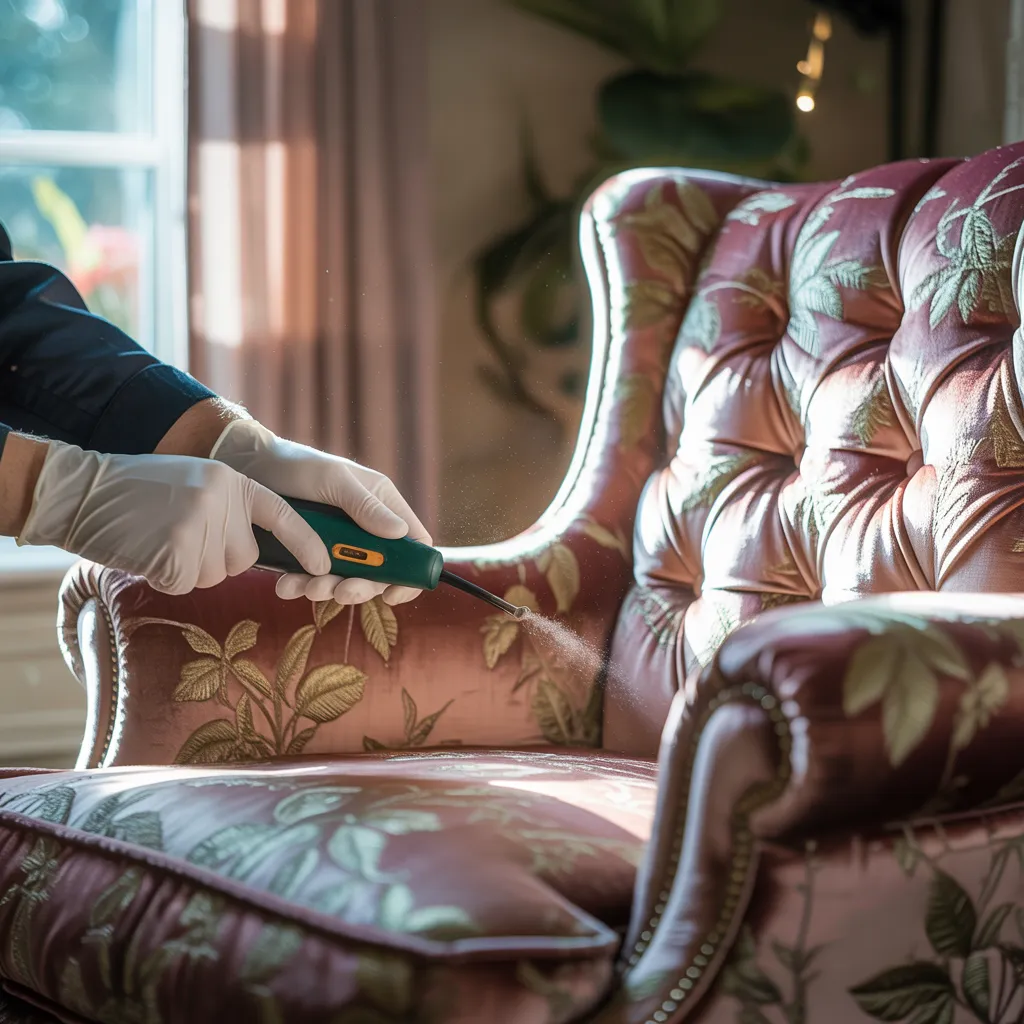
Bed Bug Infestation: Actions to Take Right Away
After identifying a bed bug infestation, immediate action is vital to control the situation. The initial step requires determining the scope of the infestation. This is accomplished by inspecting common hiding spots such as bed frames, mattresses, and furniture gaps. After verification, residents should reduce the spread by separating infested items. This means securing contaminated bedding and clothing within sealed plastic bags.
Next, it is advisable to reduce clutter in the infested area. Doing so reduces available hiding spots and enhances the overall effectiveness of treatment measures. Thorough vacuuming can assist in removing both pests and their eggs from all surfaces, however, disposal of the vacuum bag is essential to prevent reinfestation.
In conclusion, consulting a certified pest management service is strongly suggested. They possess the experience and technology essential for effective eradication. Quick, purposeful responses can greatly reduce the extent of the pest problem and result in a faster solution.
How Heat Treatment Functions to Get Rid of Bed Bugs
Upon assessing the extent of a bed bug infestation and applying initial containment measures, identifying effective treatment methods takes precedence. Heat treatment represents a proven and highly effective solution for removing bed bugs. It involves raising the temperature of infested areas to a lethal level, generally ranging from 120°F to 140°F. At these temperatures, bed bugs, their eggs, and nymphs cannot survive.
The process generally needs professional-grade tools that moves warm air through the whole room, providing uniform heat distribution. In contrast to chemical methods, warmth seeps into walls, furniture, and other hidden areas where bed bugs tend to hide. This complete process eradicates bed bugs at every developmental stage in one treatment cycle.
As effective as the treatment is, it is crucial to verify that all materials within the treated area can tolerate high temperatures to prevent any potential damage. The heat treatment process helpful guide not only eradicates present infestations but also helps prevent future ones by addressing hidden populations.
Essential Preparations for Heat Treatment Success
Achieving successful heat treatment for bed bugs necessitates careful planning to optimize its effectiveness. Before treatment begins, it is essential to remove clutter from the area to ensure heat reaches all surfaces. All belongings, with special attention to those that could conceal bed bugs, must be removed or handled on their own. Additionally, washing and drying bedding, clothing, and curtains on high heat can help eliminate any pests or eggs present.
Furniture must be positioned away from walls to create a buffer zone, facilitating proper airflow during treatment. Electronic devices and sensitive items must be removed or protected, because extreme heat can harm them. Finally, sealing cracks and crevices will reduce places for bed bugs to hide, improving treatment effectiveness. These critical steps establish the foundation for successful eradication and enable a more comprehensive application of heat, ultimately leading to a bed bug-free environment.
Expectations During Heat Treatment
During heat treatment for bed bugs, property owners can prepare for a comprehensive process designed to eradicating these pests. The process involves elevating indoor heat levels to between 120°F and 140°F, effectively targeting all life stages of bed bugs, including their eggs. As the warmth penetrates furniture, carpets, and other hiding spots, residents may experience a heated atmosphere throughout the property.
Residents should be prepared for a degree of inconvenience, as the treatment typically lasts a number of hours to guarantee comprehensive treatment. Certified pest control specialists will monitor temperatures closely, using professional-grade tools to copyright the essential heat thresholds. While no visible signs of bed bugs may be apparent immediately, the thermal treatment is formulated to kill infestations at all stages. It remains imperative for property owners to avoid the treated zone until clearance to re-enter has been confirmed, protecting their well-being during this rigorous elimination procedure.
Important Steps for Maintaining a Bed Bug-Free Home
Following heat treatment, keeping your home free of bed bugs calls for consistent preventive action. Homeowners are advised to carry out regular inspections, focusing on frequent harborage points such as bed frames, mattresses, and upholstery seams. Using specially designed encasements for mattresses and box springs helps guard against future infestations by enclosing any bugs that may remain.
Routine cleaning is crucial; vacuuming frequently and washing bedding and clothing in hot water will help eliminate any potential eggs or bugs. Furthermore, decluttering the home reduces hiding spots and simplifies the inspection process.
It is equally important to exercise caution when bringing in second-hand items or luggage, as these can bring in new bed bug infestations. If any signs of re-infestation appear, a qualified pest management professional should be called right away. By following these measures, residents can establish conditions that significantly lower the likelihood of bed bugs coming back.
Questions We Get Asked Often
Am I Able to Stay in My House During Heat Treatment?
No, it is generally advised not to stay in the home during heat treatment for bed bugs. The elevated temperatures necessary for successful elimination can present safety hazards and cause discomfort to both residents and pets.
How Long Does Heat Treatment Take to Complete?
Heat treatment generally requires around six to eight hours to finish, depending on the size of the infested area. This process involves raising the temperature to successfully destroy bed bugs across all life stages.
Are My Pets at Any Risk During Treatment?
Yes, there are risks to pets during treatment. Elevated temperatures may cause harm; therefore, pets must be removed from the property prior to treatment and ensure they remain safe until the treated space has cooled.
What Occurs if Bed Bugs Reappear After Treatment
Should bed bugs reappear following treatment, it might signal inadequate eradication or a new introduction of pests. Property owners ought to reevaluate their surroundings, look into supplementary pest control measures, and work with professional exterminators to develop effective approaches for dealing with the recurring infestation.
How Much Does Bed Bug Heat Treatment Cost?
Bed bug heat treatment generally runs in the range of $1,000 to $2,500, depending on the severity of the infestation and the size of the area being treated. Additional factors may influence the final price, including location and service provider.